Understanding Reclaimed Water Systems
Reclaimed water systems represent a crucial advancement in sustainable water management, offering a sophisticated solution for treating and repurposing wastewater. With the growing global need for water conservation, these systems have gained significant popularity across various sectors, including industrial, municipal, and decentralized applications. Reclaimed water systems efficiently transform wastewater and greywater into reusable resources, thereby alleviating the strain on freshwater supplies and contributing to environmental sustainability.
What Are Reclaimed Water Systems?
Reclaimed water systems refer to processes that treat wastewater, allowing it to be reused for various applications, from irrigation to industrial processes. These systems integrate advanced treatment technologies that ensure the water is safe for its intended use. Typically, reclaimed water is derived from municipal wastewater, stormwater, or greywater, each undergoing rigorous purification processes to eliminate contaminants and pathogens.
The Technology Behind Reclaimed Water Systems
Modern reclaimed water systems utilize a combination of cutting-edge technologies to achieve high-quality water recovery. Key technologies include:
- Membrane Bioreactors (MBR): This technology combines biological treatment processes with membrane filtration, effectively removing solids and microorganisms.
- Ultrafiltration (UF): UF membranes filter out particles and macromolecules, providing an additional layer of purification after the biological treatment.
- Reverse Osmosis (RO): RO systems employ high-pressure membranes to remove dissolved salts and contaminants, producing water of exceptional purity.
By integrating these technologies, reclaimed water systems ensure that the final product meets or exceeds regulatory standards for safety and quality.
Key Benefits of Using Reclaimed Water Systems
Implementing reclaimed water systems offers numerous advantages, including:
- Water Conservation: By recycling wastewater, these systems significantly reduce the demand for freshwater resources.
- Cost-Effectiveness: Reusing water can lower operational costs for industries reliant on large volumes of water, such as agriculture and manufacturing.
- Environmental Protection: Reduced wastewater discharges into natural water bodies help minimize pollution and protect aquatic ecosystems.
- Resilience Against Water Scarcity: In regions facing chronic water shortages, reclaimed water systems provide a reliable alternative source.
Applications of Reclaimed Water Systems
The adaptability of reclaimed water systems allows them to serve various sectors effectively. Below, we explore specific applications:
Industrial Uses of Reclaimed Water Systems
Industries across the globe leverage reclaimed water systems for numerous applications, including:
- Cooling Water: Many manufacturing processes require substantial amounts of cooling water. Reclaimed water serves as a sustainable option without taxing freshwater sources.
- Process Water: Industries often use reclaimed water for washing, rinsing, and in other manufacturing processes, demonstrating its versatility and reliability.
- Flushing: In certain industrial settings, reclaimed water can be reused for toilet flushing and landscaping, contributing to water conservation efforts.
Muncipal Applications for Reclaimed Water Systems
Municipalities are increasingly adopting reclaimed water systems to enhance their water management strategies. Key applications include:
- Irrigation: Parks, golf courses, and landscaping areas benefit from using treated reclaimed water, which helps maintain aesthetics without burdening potable water supplies.
- Emergency Supply: In times of drought or water scarcity, municipalities can rely on reclaimed water to supplement existing supplies.
- Stormwater Management: Reclaimed water systems help mitigate stormwater runoff, enhancing urban resilience during heavy rainfall events.
Decentralized Water Solutions with Reclaimed Water Systems
Decentralized reclaimed water systems are particularly beneficial in remote or rural areas, where centralized systems are impractical. These systems can be easily deployed, providing localized solutions for:
- Small Communities: Reclaimed water systems can supply water for irrigation and domestic use in communities that lack access to centralized water treatment facilities.
- Construction Sites: Temporary reclaimed water systems on construction sites can help manage water needs efficiently, from dust suppression to site sanitation.
- Agriculture: Farmers can implement small-scale reclaimed water systems to irrigate crops, maximizing their water resources while promoting sustainability.
Implementing Reclaimed Water Systems
Deploying reclaimed water systems involves several critical steps to ensure successful integration and operation:
Steps to Deploying Reclaimed Water Systems
The process of implementing a reclaimed water system typically includes:
- Assessment: Evaluating local water needs and resources is crucial to determine the feasibility of a reclaimed water system.
- Design: Collaborating with engineers and water quality experts to create a tailored system that meets specific needs.
- Regulatory Compliance: Navigating local and national regulations is essential to ensure that the system meets safety and environmental standards.
- Installation: Proper installation of the system is critical for optimal performance and compliance with design specifications.
- Monitoring: Continuous assessment of water quality and system performance is necessary for maintaining safety and efficiency.
Best Practices for Maintenance
Regular maintenance is vital for the longevity and efficacy of reclaimed water systems. Best practices include:
- Routine Inspections: Regular checks for mechanical performance, leaks, and water quality help identify potential issues before they escalate.
- Training Personnel: Ensuring that staff are well-trained in system operations and maintenance procedures is crucial for effective management.
- Updating Technology: Staying current with advancements in water treatment technology can provide insights into efficiency improvements.
Monitoring and Evaluating Performance
Performance monitoring is key to ensuring that reclaimed water systems operate effectively. This involves:
- Water Quality Testing: Regular testing of the reclaimed water for contaminants and pathogens helps verify that treatment standards are met.
- System Efficiency Analysis: Regular performance assessments can identify areas for improvement and help reduce operational costs.
- Feedback Mechanisms: Implementing feedback from users and stakeholders can help improve system design and operation.
Challenges and Solutions in Reclaimed Water Systems
Despite numerous benefits, reclaimed water systems face challenges that must be addressed for successful implementation:
Common Misconceptions About Reclaimed Water Systems
Education is key in overcoming misconceptions surrounding reclaimed water. Common myths include:
- Safety Concerns: Many believe reclaimed water is unsafe. However, modern treatment processes ensure that reclaimed water meets health standards.
- This Water is "Dirty": While reclaimed water originates from wastewater, it undergoes extensive treatment to remove contaminants, transforming it into a valuable resource.
- Lack of Demand: The misconception that there is insufficient demand for reclaimed water underestimates its potential, especially in arid regions.
Overcoming Regulatory Hurdles
Navigating regulatory frameworks can be challenging. Strategies to address these hurdles include:
- Engaging with Regulatory Bodies: Early engagement can foster understanding and facilitate the approval of innovative systems.
- Compliance and Education: Ongoing education about the benefits and safety of reclaimed water systems can enhance acceptance among regulators.
Addressing Public Concerns About Safety
Public acceptance is crucial for the success of reclaimed water systems. To address safety concerns:
- Community Engagement: Involving communities in discussions about water reuse can build trust and understanding.
- Transparent Processes: Providing clear information about treatment processes and safety measures can alleviate fears.
Future Trends in Reclaimed Water Systems
The future of reclaimed water systems looks promising, driven by innovation and an increasing focus on sustainability:
Emerging Technologies in Water Reclamation
Future advancements in reclaimed water technology may include:
- Artificial Intelligence: AI-powered monitoring systems can enhance water quality management and optimize resource use.
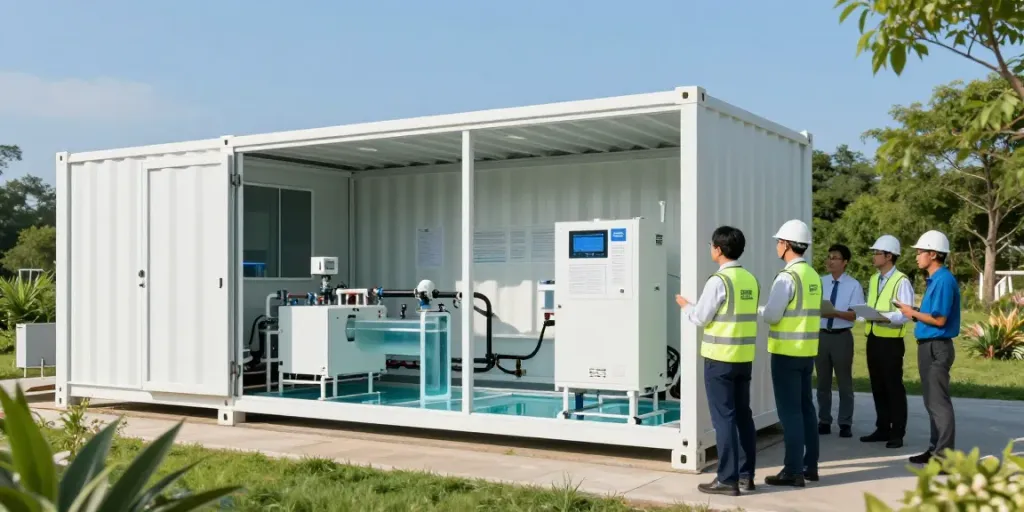
- Decentralized Treatment Options: Innovations in mobile and containerized systems can make water reclamation more accessible.
- Advanced Filtration Techniques: New materials and processes may improve filtration efficiency, resulting in higher quality water recovery.
Predictions for the Industry by 2026
As global water scarcity intensifies, the reclaimed water systems industry is expected to experience significant growth. Key predictions include:
- Increased Adoption: More municipalities and industries will embrace reclaimed water systems as awareness of their benefits grows.
- Regulatory Advancements: Evolving regulations may facilitate greater use of reclaimed water, supporting the industry's expansion.
- Sustainability Goals: Companies will prioritize sustainable practices, making reclaimed water integral to their operations.
Case Studies of Successful Implementations
Numerous successful case studies highlight the effectiveness of reclaimed water systems:
- California: California has implemented widespread reclaimed water programs, particularly in agricultural irrigation, showcasing significant reductions in freshwater use.
- Singapore: Singapore’s NEWater initiative transforms treated wastewater into high-quality water for both drinking and industrial use, demonstrating the potential for urban water reuse.
- Australia: Australian cities have successfully integrated reclaimed water into their urban landscapes, managing demand during drought periods.
What Are the Environmental Impacts?
The environmental impacts of reclaimed water systems are largely positive, contributing to:
- Reduced Freshwater Extraction: By recycling wastewater, these systems decrease reliance on freshwater sources, preserving ecosystems.
- Lower Carbon Footprint: Utilizing reclaimed water reduces the energy required for freshwater treatment and transport.
- Enhanced Ecological Health: Improved water quality in natural ecosystems helps support biodiversity and minimizes pollution.