Understanding Engineered Composites and GRP Manufacturing
In a world increasingly leaning towards advanced materials, Glass Reinforced Plastic (GRP) stands out as a versatile choice, particularly within the realms of construction, automotive, marine, and infrastructure industries. As a notable authority in the GRP sector, Engineered Composites has dedicated over four decades to manufacturing high-quality GRP products that cater to diverse applications. This article delves into the nuances of GRP, its benefits, product varieties, quality assurance, and its position against traditional materials like steel and aluminium.
What are Engineered Composites in the GRP Industry?
Engineered Composites refers to a specialized class of materials composed of polymer matrices reinforced with glass fibers, which enhance their mechanical properties for demanding applications. Within the GRP industry, these composites are renowned for their high strength-to-weight ratio, resistance to corrosion, and overall durability. They play a pivotal role across various sectors, including construction, marine, rail, and utilities, where they excel as both structural components and aesthetic finishes.
Core Advantages of Using GRP Products
The advantages of GRP products are numerous and significant. Here are some of the most compelling benefits:
- Durability: GRP products are engineered to withstand harsh environmental conditions, making them ideal for applications where exposure to moisture, chemicals, or UV light is a concern.
- Lightweight: GRP is substantially lighter than traditional materials such as steel or aluminium, which simplifies transport and installation processes.
- Corrosion Resistance: Unlike metal counterparts, GRP will not corrode, ensuring prolonged service life, which translates to reduced maintenance costs.
- Design Flexibility: GRP can be easily molded and shaped to meet specific design requirements, making it suitable for a diverse range of applications.
- Cost-Effectiveness: Over its lifecycle, GRP can offer considerable savings by reducing maintenance, replacement, and installation expenses.
Historical Context and Evolution of GRP Manufacturing
The history of GRP dates back to the early 1930s when it was first developed as a lightweight and resistant material. Its applications evolved over the decades, gaining significant traction during the post-war boom when the demand for durable and low-maintenance materials surged. Engineered Composites has been at the forefront of this evolution, enhancing manufacturing processes to produce high-quality GRP that meets stringent industry standards.
Types of GRP Products Offered by Engineered Composites
Overview of GRP Gratings and Their Applications
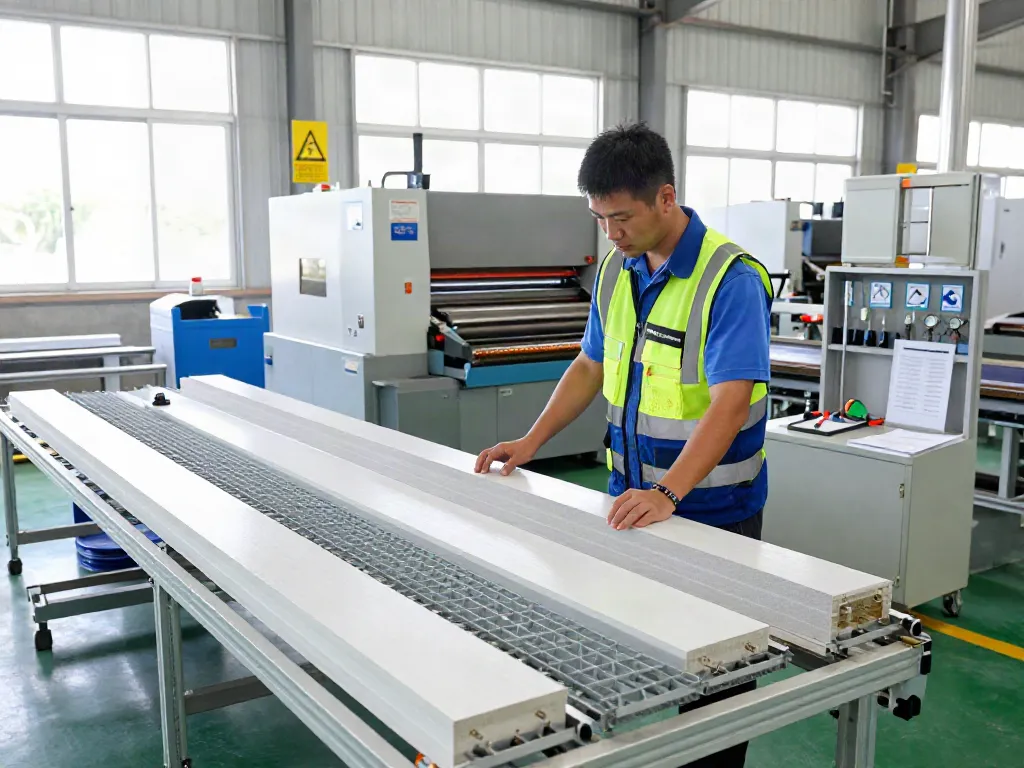
GRP gratings are one of the most widely used products in the industry, providing a safe and durable walking surface across various environments. Ideal for walkways, platforms, and access areas, these gratings are not only lightweight but also are designed to withstand heavy loads and harsh weather conditions. They find applications in marine environments, chemical processing plants, and sewage treatment facilities, proving their versatility.
Understanding GRP Profiles and Custom Solutions
GRP profiles are fundamental components utilized in various applications, from structural supports to decorative features. Engineered Composites offers a range of profiles tailored to specific project requirements. Whether it's creating custom shapes for construction or unique applications in industrial settings, the flexibility of GRP profiles allows for substantial innovation.
Specialty Products: Fencing, Handrails, and Decking
In addition to gratings and profiles, Engineered Composites manufactures a variety of specialty products including GRP fencing, handrails, and decking. These products are designed not only for functionality but also for safety and aesthetics. The lightweight nature and color stability of GRP make it an excellent choice for outdoor applications, while its resistance to corrosion ensures longevity in every installation.
Quality Assurance in GRP Manufacturing
ISO 9001 Certification and Its Significance
Quality is paramount in the manufacturing of GRP products. Engineered Composites operates under the ISO 9001 certification, which ensures that every product meets high-quality management standards. This certification is crucial as it guarantees that the manufacturing processes are aligned with international best practices, resulting in reliable and consistent product performance.
Testing Methods for GRP Products
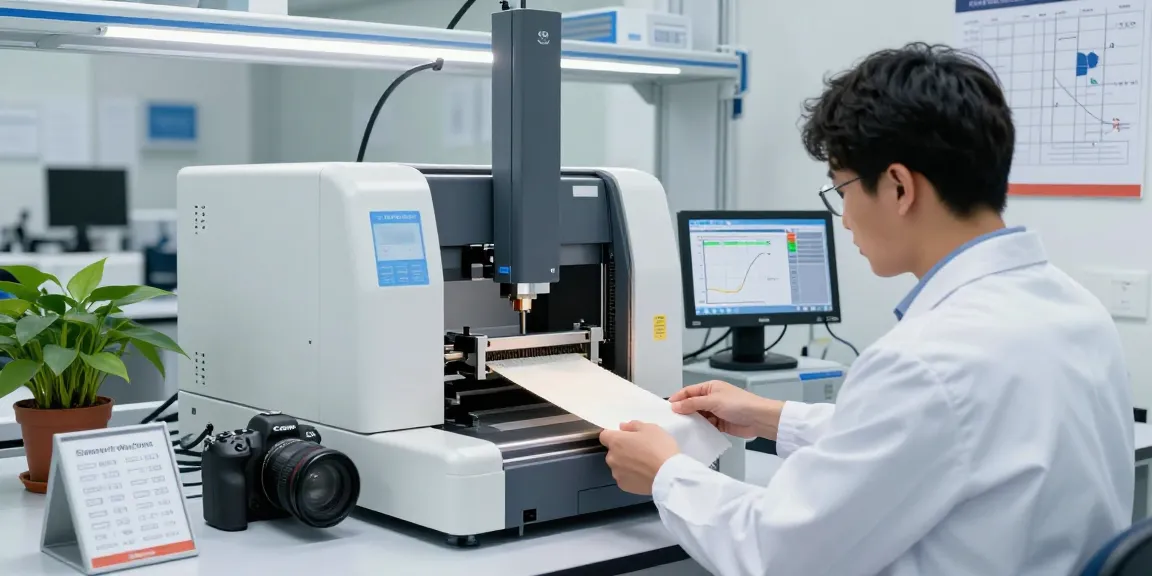
To ensure the reliability of its products, Engineered Composites employs rigorous testing methods. This includes tensile strength tests, fire resistance evaluations, and dimensional accuracy assessments. These tests are essential for certifying that each GRP product complies with both UK and international standards, thereby providing customers with confidence in their applications.
Ensuring Compliance with UK Fire Safety Standards
Safety is a critical concern within any industry using construction materials. All GRP products supplied by Engineered Composites meet the relevant UK fire safety regulations, including the Class 2 fire rating per BS 476 Part 7. This compliance is vital not only for meeting legal obligations but also for protecting lives and property.
GRP vs Traditional Materials: A Comparative Analysis
Strength and Durability of Engineered Composites
When comparing GRP with traditional materials, it is evident that GRP's strength-to-weight ratio gives it a competitive edge. While steel may offer superior strength in certain contexts, the lightweight and corrosion-resistant properties of GRP make it more suitable for applications requiring mobility and minimal maintenance.
Cost-Effectiveness of GRP Over Steel and Aluminium
Another critical advantage of GRP over steel and aluminium is cost-effectiveness. While the initial investment may be comparable, the long-term savings associated with reduced maintenance and a prolonged lifespan—often exceeding 50 years—make GRP a more economical choice for many projects.
Environmental Impact and Sustainability of GRP
As environmental concerns continue to drive material selection in various industries, GRP stands out as a sustainable choice. Its lifecycle requires significantly less energy compared to traditional materials like steel, and its longevity minimizes the need for frequent replacements, thereby reducing waste.
How to Get Started with Engineered Composites
Requesting a Quote: Process Simplified
Getting started with Engineered Composites is straightforward. Customers can request a quote for their required GRP products through an easy online form or by contacting the sales team directly. The company prides itself on rapid response times, often providing quotations within an hour.
Next-Day Delivery and Stock Availability
To meet urgent project timelines, Engineered Composites maintains extensive stock of standard GRP products, often with next-day delivery options available across the UK. This commitment to availability ensures that projects can proceed without delay.
Customer Support and Technical Assistance from Experts
In addition to high-quality products, Engineered Composites offers exceptional customer support. Their technical team is ready to provide assistance, from product selection to installation guidelines, ensuring that clients can navigate any complexities associated with GRP applications.
What Are the Common Questions About GRP?
As with any specialized material, questions frequently arise regarding GRP. Understanding its properties, advantages, maintenance, and sustainability can aid in making informed decisions. Engineered Composites aims to educate its customers through clear communication and comprehensive resources.
How Long Do GRP Products Last?
The longevity of GRP products is one of their standout features. With a service life that often exceeds 50 years and minimal maintenance requirements, GRP offers a reliable and durable solution for various applications.
Can GRP Products Be Recycled or Adapted On Site?
One of the sustainable aspects of GRP is its adaptability. GRP materials can be cut or drilled on-site to fit specific project needs using standard tools, making it a flexible solution during installation. Additionally, many GRP products can be recycled or repurposed at the end of their service life, aligning with sustainability goals.