Understanding the Importance of Precision in Aerospace CNC Machining
In the aerospace industry, precision is paramount. The demands for high performance and safety mean that every part must meet stringent specifications. CNC (Computer Numerical Control) machining has revolutionized the way aerospace components are manufactured, allowing for unparalleled accuracy and repeatability. As the industry continues to evolve, understanding the nuances of CNC machining becomes essential for both manufacturers and clients. For those seeking insights into leading aerospace cnc parts manufacturers, this guide is an invaluable resource.
What Makes Aerospace CNC Parts Unique?
Aerospace CNC parts are often characterized by their complexity and the critical nature of their applications. Unlike other industries, aerospace components must withstand extreme conditions and operate reliably under high stress. This uniqueness necessitates the use of specialized machining techniques and materials that can sustain performance over time. Parts such as engine housings, brackets, and landing gear components demand strict adherence to design specifications and rigorous testing standards, making precision machining essential.
Common Materials Used in Aerospace CNC Machining
The selection of materials for aerospace components is crucial, as it directly influences the performance, weight, and durability of the parts. More than 35 types of metals are utilized in the manufacturing of aerospace components, including:
- Aluminum: Lightweight and corrosion-resistant, aluminum alloys are commonly used in aircraft frames and bodies.
- Titanium: Known for its high strength-to-weight ratio, titanium is ideal for critical components that require durability without excessive weight.
- Stainless Steel: Used for its strength and resistance to corrosion, particularly in engine components and fasteners.
- Nickel Alloys: These materials withstand high temperatures and corrosive environments, often found in jet engines.
In addition to metals, several plastic materials are also used, such as PP, PU, PC, PVC, and ABS, which are chosen for their specific properties suitable for various applications.
Precision Standards and Certifications in the Industry
Meeting precision standards is not merely about achieving tight tolerances; it involves adhering to various regulatory certifications that ensure quality and safety. Organizations such as the FAA and EASA establish guidelines that manufacturers must follow. Certifications like AS9100 and ISO 9001:2015 are also critical, indicating a commitment to high-quality management systems and operational excellence. Manufacturers must continuously monitor their processes to ensure compliance with these standards, as any deviation can have severe repercussions in aerospace applications.
Key Techniques in Aerospace CNC Machining
In aerospace CNC machining, several advanced techniques are employed to ensure high-quality production. Understanding these processes can provide insights into how leading manufacturers achieve their precision targets.
Overview of CNC Milling and Turning Processes
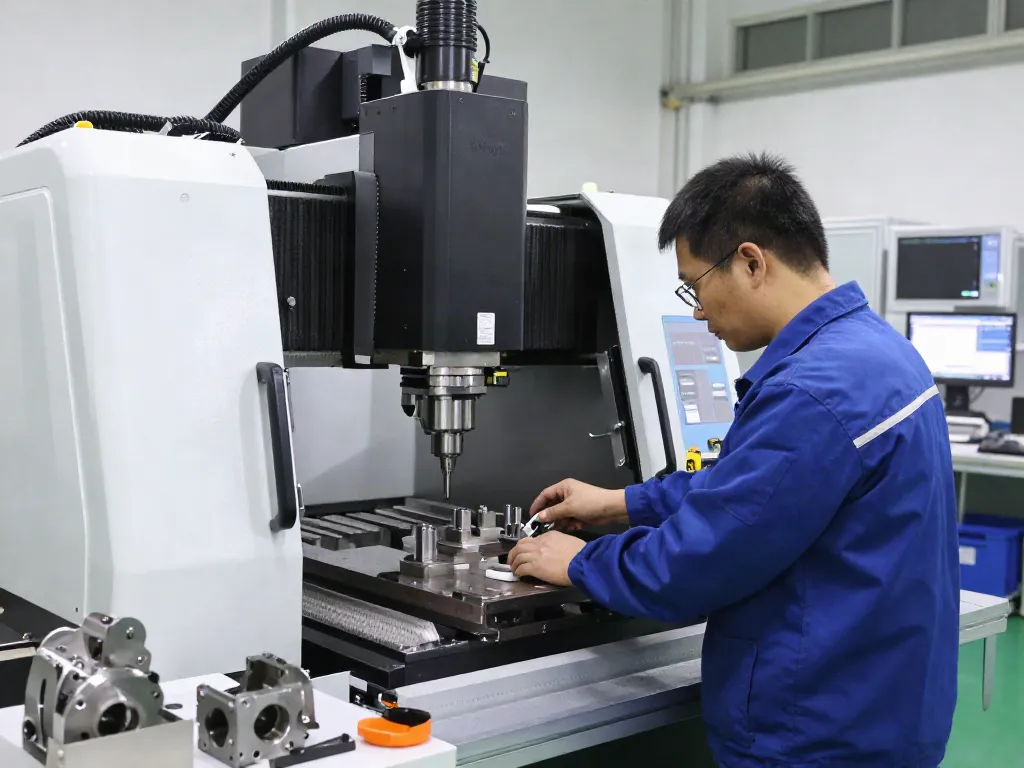
CNC milling and turning are two of the most common processes used in aerospace manufacturing. CNC milling involves the removal of material from a workpiece using rotating cutters, allowing for complex shapes and contours. This method is particularly effective for creating intricate parts required in aerospace applications.
CNC turning, on the other hand, involves rotating the workpiece while cutting tools position themselves to remove material. This technique is optimal for cylindrical parts, such as shafts and fittings, which are frequently used in the aerospace sector.
Rapid Prototyping vs. Mass Production: When to Choose Each
Determining the best manufacturing approach depends on project requirements. Rapid prototyping is valuable during the initial design phases, allowing engineers to test ideas quickly and make modifications as needed. This method uses additive manufacturing technologies, such as 3D printing, which can accelerate time-to-market for new designs.
In contrast, mass production becomes essential for high-volume orders. Techniques such as CNC machining streamline production processes, maintain consistency, and reduce costs at scale. Understanding when to implement each method can significantly impact the success of aerospace projects.
Innovative Machining Technologies and Their Applications
Technological advancements in CNC machining continue to enhance production capabilities. Innovations such as multi-axis machining and automation are transforming the landscape. Multi-axis machines provide the ability to work on multiple sides of a component without repositioning, increasing precision and efficiency. Meanwhile, automation streamlines workflows and reduces labor costs, further driving efficiency in production.
Challenges Faced by Leading Aerospace CNC Parts Manufacturers
Despite the advancements in technology and processes, leading aerospace CNC parts manufacturers encounter several challenges in their operations.
Addressing Supply Chain Constraints and Material Availability
The aerospace industry has experienced significant supply chain disruptions, particularly in the past few years. Raw material shortages can halt production and inflate costs, compelling manufacturers to seek new suppliers or alternative materials. Building resilient supply chains and diversifying resources is crucial for manufacturers aiming to maintain efficiency and competitiveness.
Coping with Evolving Regulatory Standards
Staying abreast of changing regulatory guidelines is another challenge. As governments and regulatory bodies update safety and quality standards, manufacturers must adapt quickly to remain compliant. This can involve retraining staff, upgrading equipment, and implementing new processes, all of which require significant investment and planning.
Dealing with Cost Management Without Compromising Quality
Balancing cost management with quality assurance is a complex but essential undertaking. As competition intensifies, manufacturers must find ways to reduce operational costs without sacrificing the quality of their products. This may involve investing in new technologies, optimizing processes, and adopting lean manufacturing principles to enhance productivity while minimizing waste.
Best Practices for Selecting a Reliable Aerospace CNC Manufacturer
Choosing the right aerospace CNC manufacturer can significantly impact the success of your project. Here are some best practices to consider:
Evaluating Technical Capabilities and Equipment
When selecting a manufacturer, assess their technical capabilities and the sophistication of their equipment. Leading manufacturers should have state-of-the-art CNC machines capable of producing complex parts with high precision. Inquire about their production capacity and the range of services they offer to ensure they can meet your specific needs.
Assessing Quality Control Processes and Certifications
Robust quality control processes are vital in aerospace manufacturing. Look for manufacturers with established quality management systems and relevant certifications. Understanding their approach to quality control will give you confidence in their ability to deliver defect-free products.
Client Testimonials and Case Studies: Why They Matter
Client testimonials and detailed case studies provide insight into a manufacturer's capabilities and reliability. Engage with previous clients or review their success stories to gauge their performance. This information is invaluable in making an informed decision when selecting a manufacturer.
Future Trends in Aerospace CNC Machining for 2026 and Beyond
The aerospace industry is on the cusp of significant transformations driven by technological advancements and sustainability initiatives. Understanding these trends can help stakeholders prepare for the future.
Emerging Technologies: AI and Automation in Manufacturing
Artificial Intelligence (AI) and automation are set to play critical roles in the future of aerospace CNC machining. AI can optimize manufacturing processes by predicting maintenance needs and improving efficiency. Simultaneously, automation will reduce reliance on manual labor, enhancing precision and consistency across production runs.
Sustainability Practices in Aerospace Manufacturing
As environmental concerns grow, sustainability has become a focal point for aerospace manufacturers. From using eco-friendly materials to implementing energy-efficient processes, manufacturers must adapt to meet increasing regulatory demands and consumer preferences for sustainable products.
The Role of Additive Manufacturing in Future Aerospace Parts
Additive manufacturing, or 3D printing, is gaining momentum in the aerospace sector for its ability to produce complex geometries that traditional methods cannot achieve. As technologies improve and material options expand, additive manufacturing may become a mainstream solution for creating lightweight and durable aerospace components.