Understanding the Importance of Tensile Strength Testing
Tensile strength testing is a critical aspect of material evaluation, particularly for fabrics, as it helps determine a material’s ability to withstand tension without failing. In today's manufacturing landscape, where the performance of textiles can significantly influence product quality, understanding how a fabric responds to stress is essential. For industries like fashion, upholstery, and manufacturing, the implications of tensile strength reach far beyond aesthetics; they impact durability, usability, and safety. Thus, producers often turn to advanced solutions like SmartPull when assessing their fabrics, knowing that precision testing can help enhance their products and avoid costly failures.
What is Tensile Strength and Why is it Crucial?
Tensile strength refers to the maximum amount of tensile (pulling) stress that a material can withstand before failure. It is a fundamental property that provides insights into the durability and usability of fabrics. For instance, a fabric with high tensile strength is more likely to resist tearing and wear, making it suitable for demanding applications such as outdoor gear or upholstery. In contrast, materials with lower tensile strengths may be more appropriate for lightweight applications. The assessment of tensile strength not only aids in material selection but also enhances product life cycles, leading to greater customer satisfaction.
Common Applications of SmartPull Testing in Various Industries
The versatility of the SmartPull Fabric Tensile Tester allows it to be utilized in various industries, including textiles, leather, and footwear. For textile manufacturers, understanding tensile strength aids in ensuring that their products can withstand the rigors of daily use. In the leather industry, tensile testing helps in determining the suitability of leather for specific applications—like garments or accessories—ensuring that it will perform under expected conditions. Footwear manufacturers rely on these tests to guarantee that their products can endure repeated stress without deteriorating, thereby providing consumers with reliable, long-lasting footwear.
The Role of International Standards in Fabric Testing
Adhering to international standards is vital for ensuring the credibility and reliability of tensile strength testing results. The SmartPull Fabric Tensile Tester meets a range of standards such as ISO 13934 and ASTM D5034, which dictate how tensile strength tests should be conducted and reported. By aligning testing practices with these established benchmarks, manufacturers can improve their product quality assurance processes, facilitate compliance with regulatory requirements, and enhance their marketability on a global scale.
How SmartPull Works: An Overview
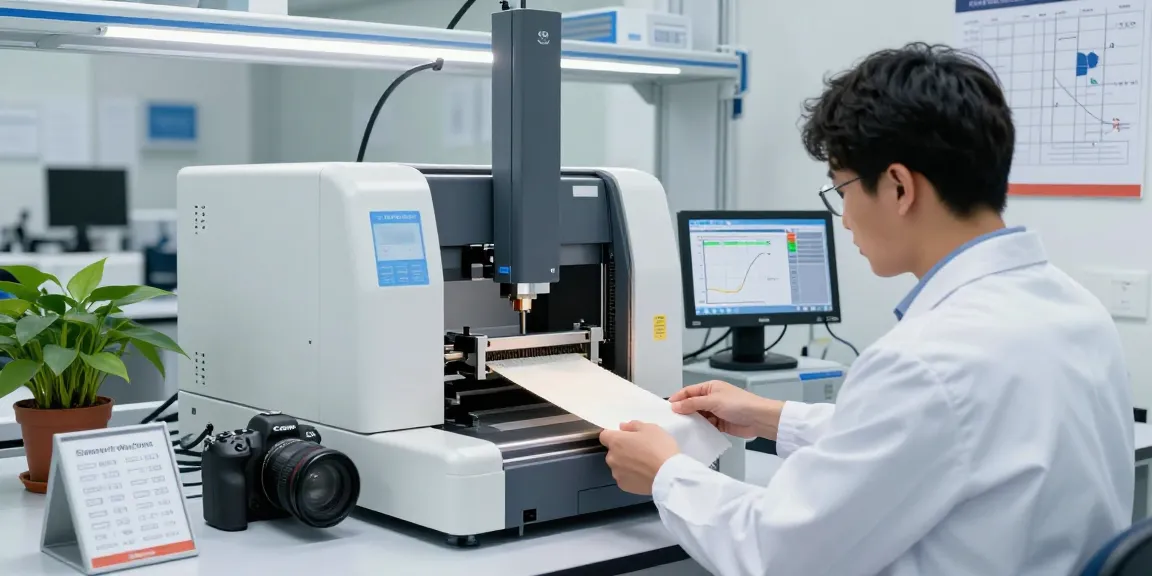
The SmartPull Fabric Tensile Tester is designed to deliver reliable, accurate tensile strength testing through advanced technology and user-friendly features. This section will break down how the device operates to provide consistent and detailed testing results.
Key Features of the SmartPull Fabric Tensile Tester
The SmartPull is equipped with an AC servo motor and ball screws that ensure a steady pulling force during tests, resulting in precise measurements. Its intelligent software not only enhances usability but also allows for comprehensive data collection, including tensile strength, elongation, and stress values. With user-friendly interfaces and smart safety features, the SmartPull is practical for various testing environments.
Understanding the Measurement Process of Tensile Tests
During a tensile test, a fabric sample is clamped at both ends and subjected to a controlled pulling force. The SmartPull measures the force applied and the resultant elongation of the fabric, allowing it to calculate tensile strength and elongation at break. This process provides invaluable insights into how the fabric behaves under stress, helping manufacturers optimize their material use effectively.
Advanced Technology Behind SmartPull's High Accuracy
SmartPull utilizes advanced load cells and displacement transducers that convert mechanical forces into electrical signals with high precision. This technology significantly reduces measurement errors to within 1%, ensuring that the results of each test are accurate and consistent. The integration of such technology enables the SmartPull to produce reliable data critical for making informed decisions in product development.
Comparative Analysis: SmartPull vs Competitors
When selecting a tensile strength tester, it is crucial to consider how various options stack up against one another. The SmartPull Fabric Tensile Tester offers a range of features and capabilities that distinguish it in the marketplace.
Unique Selling Points of SmartPull in the Market
Unlike many competitors, SmartPull combines high accuracy with safety features, such as travel limits and torque detection. This ensures safe operation while not sacrificing performance, making it an ideal choice for laboratories and production environments.
Performance Metrics: How SmartPull Stands Out
Performance metrics such as maximum test capacity, speed accuracy, and travel accuracy are essential when evaluating testing machines. The SmartPull boasts a test capacity of 250 kg with a travel accuracy of ≤1%, which positions it as a robust option for large-scale fabric testing, outperforming many competitors in these areas.
User Testimonials: Real-world Experiences with SmartPull
User feedback highlights the SmartPull’s reliability and ease of use. Customers have praised its design, noting that it produces precise results while being simple to operate. Many labs have chosen SmartPull for its consistent performance, which meets various international testing standards, ultimately increasing confidence in the results provided.
Best Practices for Using the SmartPull Tester
To fully leverage the capabilities of the SmartPull Fabric Tensile Tester, operators should follow best practices that enhance testing accuracy and prolong the equipment's lifespan.
Step-by-Step Guide to Conducting Tests with SmartPull
- Prepare the fabric sample by cutting it to the required dimensions as per the testing standard.
- Set up the SmartPull tester, ensuring it is calibrated to appropriate testing parameters.
- Clamp the sample securely at both ends, ensuring there are no wrinkles or slack in the setup.
- Initiate the testing procedure through the software interface and monitor the test for accuracy.
- Record and analyze the results, noting the tensile strength and elongation values for further analysis.
Common Mistakes and How to Avoid Them
Operators may overlook sample preparation, leading to inaccurate results. Ensuring that samples are cut according to specifications and clamped properly is essential. Furthermore, neglecting regular calibration checks can affect the machine's accuracy; hence, a routine maintenance schedule should be established.
Maintenance Tips for Longevity of the SmartPull Tester
Ongoing maintenance is crucial to ensure the longevity of the SmartPull. Regularly clean the machine, check for any mechanical wear, and ensure that software updates are installed. Following the manufacturer's guidelines for upkeep will enhance the machine's functionality and accuracy over time.
The Future of Fabric Testing: Trends to Watch in 2026
The landscape of fabric testing is evolving rapidly, driven by technological advancements and changing regulatory requirements. As we look ahead to 2026, several trends are emerging that will shape the future of tensile strength testing.
Emerging Technologies in Fabric Testing Equipment
Innovations such as artificial intelligence and machine learning are beginning to play a role in testing equipment, allowing for smarter data collection and analysis. These advancements can help identify patterns in fabric behavior over time, leading to increased efficiency in product development.
Predictions for Industry Standards and Regulations
Regulatory bodies are likely to tighten standards regarding material testing, with an increased emphasis on sustainability. This could result in manufacturers needing to demonstrate not only performance metrics but also the environmental impact of the materials they use.
How SmartPull is Adapting to Future Testing Needs
SmartPull is committed to staying ahead of these trends by integrating cutting-edge technology into its testing equipment. Continuous improvements in software capabilities and machine performance will ensure that SmartPull remains a frontrunner in tensile strength testing.
What are the Benefits of SmartPull for Your Business?
Integrating the SmartPull Fabric Tensile Tester into your testing regime can lead to significant improvements in product quality. Enhanced accuracy provides reliable data that informs material selection and product development, ultimately leading to better customer satisfaction and loyalty.
How to Get a Quote for the SmartPull Tester?
To obtain a customized quote for the SmartPull Fabric Tensile Tester, interested parties can reach out directly to ChiuVention. Their commitment to customer service ensures a seamless process, allowing customers to find the perfect solution for their testing needs.