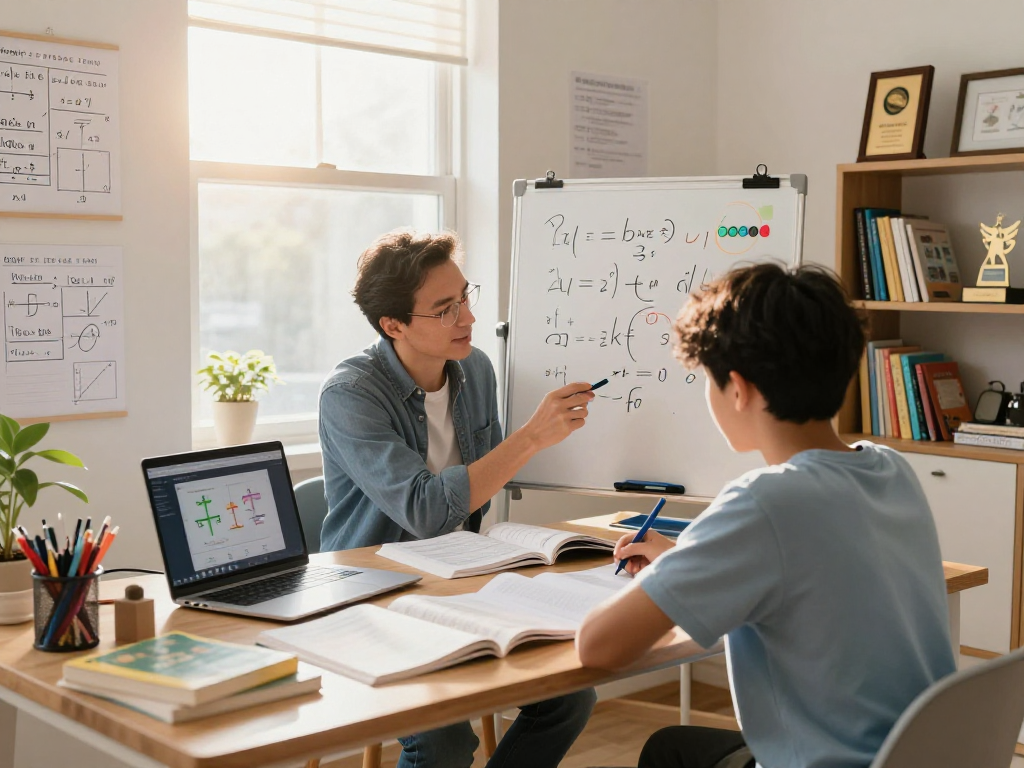
Understanding the Role of Maths Tutors in Education
In today’s education system, the role of Maths tutors has become increasingly vital. As students face a myriad of challenges in comprehending mathematical concepts, tutors provide essential support that can bridge the gap between classroom learning and individual understanding. With the rise in technological advancements and diverse learning styles, the relationship between students and their tutors is evolving, making it essential to understand what constitutes a great maths tutor and the impact they have on student performance.
What Makes a Great Maths Tutor?
A great maths tutor possesses a unique combination of qualities that contribute to effective teaching. First and foremost, they should have a deep understanding of mathematics and the ability to explain complex concepts in simple terms. Patience, empathy, and strong communication skills are also critical attributes, enabling tutors to relate to their students and adapt their teaching methods to meet individual needs. Moreover, the best tutors are passionate about mathematics and can inspire the same enthusiasm in their students, ultimately leading to greater engagement and improved performance.
Core Skills and Qualifications for Effective Tutoring
While personal qualities are essential, the foundational skills and qualifications of a maths tutor also play a significant role in their effectiveness. Typically, a strong educational background in mathematics, such as a degree or certification in mathematics education, is essential. Furthermore, effective tutors often have experience in pedagogical techniques, learning theory, and familiarity with different curricula. Skills in problem-solving, critical thinking, and the ability to use various teaching tools, including technology, are increasingly important in today’s tutoring landscape.
The Impact of Tutoring on Student Performance
Research consistently shows that tailored tutoring can significantly enhance student performance. Individualized attention allows students to progress at their own pace, addressing gaps in knowledge and building confidence. Furthermore, the supportive relationship established between tutor and student can reduce anxiety associated with mathematics, encouraging a more positive attitude toward the subject. Ultimately, effective tutoring can lead to better grades, improved test scores, and a deeper understanding of mathematical concepts.
Common Challenges Students Face in Maths
Maths can be a daunting subject for many students, often resulting in a range of challenges that hinder their learning process. Identifying these challenges early is crucial for implementing effective intervention strategies.
Identifying Learning Styles and Difficulties
Every student has a unique learning style, and understanding these preferences is vital for effective tutoring. Some students may excel with visual aids, while others benefit from hands-on activities or auditory explanations. Moreover, recognizing specific learning difficulties, such as dyscalculia, can help tailor approaches that suit individual needs. By assessing these factors, tutors can develop personalized lesson plans that cater to the strengths and weaknesses of each student.
Overcoming Math Anxiety: Strategies for Success
Math anxiety is a common issue that can severely impact a student’s ability to learn and perform in the subject. Tutors play a vital role in helping students overcome this anxiety through supportive teaching methods. Techniques such as positive reinforcement, mindfulness exercises, and gradual exposure to challenging concepts can help students build confidence and reduce fear. Creating a safe and encouraging environment where mistakes are viewed as learning opportunities can also alleviate anxiety and foster a love for learning.
Resources to Help Students Tackle Difficult Concepts
Utilizing a variety of resources can significantly enhance a student’s understanding of difficult mathematical concepts. Online platforms, educational apps, and interactive tools offer alternative explanations and practice that can complement traditional learning methods. Additionally, resources such as videos, podcasts, and mathematics games can engage students in a different way, making learning more enjoyable. Tutors should curate a diverse set of materials tailored to their student’s needs, making the learning process more dynamic and effective.
Best Practices for Maths Tutors
For maths tutors to maximize their effectiveness, adopting best practices is essential. These techniques not only enhance learning outcomes but also improve the overall tutoring experience for both students and tutors.
Engagement Techniques to Enhance Learning
Keeping students engaged is a cornerstone of effective tutoring. Interactive teaching methods such as collaborative problem-solving, real-world applications of mathematical concepts, and gamification can make sessions more enjoyable and memorable. Incorporating student interests and real-life examples helps create a relatable context for challenging material, making it easier for students to grasp complex ideas.
Using Technology to Support Math Tutoring
The use of technology in tutoring can greatly enhance learning. Online resources, mathematics software, and digital whiteboards facilitate interactive learning experiences that traditional methods may lack. Incorporating technology allows for flexible learning environments, where students can access materials and practice problems at their convenience. Furthermore, video conferencing tools have made remote tutoring sessions effective and accessible, expanding opportunities for both tutors and students.
Creating a Positive Learning Environment
Establishing a conducive learning environment is essential for student success. Tutors should strive to create a comfortable, encouraging space that fosters open communication and trust. Setting clear expectations and goals for each session can help students feel more secure and focused. Additionally, employing a variety of teaching methods keeps the lessons fresh and engaging, preventing monotony and promoting sustained interest in mathematics.
Evaluating Tutor Effectiveness
Measuring the effectiveness of tutoring is key to ensuring continuous improvement and positive student outcomes. Various metrics and feedback mechanisms can provide insights into the success of tutoring interventions.
Key Performance Metrics for Tutoring Success
To evaluate tutor effectiveness, key performance metrics such as student progress, retention rates, and feedback should be monitored regularly. Reviewing test scores, assignment completion rates, and overall engagement can help determine the impact of tutoring on student performance. Additionally, setting specific, measurable goals at the beginning of a tutoring relationship allows for a clear framework to assess successes and areas for growth.
Feedback Mechanisms: How to Measure Progress
Regular feedback is essential in a tutoring context. Tutors should encourage open dialogue with their students about their learning experiences, using surveys, informal discussions, or reflective journals. Furthermore, involving parents in the feedback process can provide additional insights into student progress and areas needing attention. By continually evaluating and adjusting teaching strategies based on student feedback, tutors can ensure they are meeting their students’ evolving needs.
Case Studies: Successful Tutoring Examples
Highlighting successful tutoring examples can inspire both tutors and students. Case studies showcasing significant improvements in a student’s performance after tailored tutoring can serve as motivational tools. These examples often illustrate not only the effectiveness of proper teaching techniques but also the importance of the tutor-student relationship in fostering an environment conducive to learning.
Future Trends in Maths Tutoring (2026 and Beyond)
As education continues to evolve, the field of maths tutoring is likely to undergo significant changes. Understanding these trends can help both tutors and students stay ahead in the ever-changing educational landscape.
Emerging Technologies Impacting Maths Education
The integration of emerging technologies such as artificial intelligence, augmented reality, and machine learning will revolutionize maths education. These tools can provide personalized learning experiences, adapting to each student’s pacing and comprehension level. AI-driven platforms may offer instant feedback on assignments, allowing students to learn from mistakes in real-time. Additionally, virtual and augmented reality applications can create immersive learning environments that make complex concepts more tangible and engaging.
The Evolution of Online Tutoring Platforms
The demand for online tutoring has surged, prompting the evolution of online platforms to become more user-friendly and effective. Future tutoring platforms will likely incorporate advanced features such as adaptive learning algorithms, interactive content, and robust communication tools. These innovations will facilitate seamless interactions between tutors and students, regardless of location, making quality education accessible to more learners.
Preparing Students for an Increasingly Digital Learning Environment
Preparation for a digital learning environment is essential. Tutors are responsible for equipping students with not only mathematical skills but also digital literacy competencies. Teaching students how to navigate online platforms, utilize educational resources effectively, and engage in virtual learning environments will be crucial. Furthermore, promoting responsible use of technology and online etiquette ensures students are well-prepared for future educational and professional settings.
What are the Benefits of Maths Tutoring?
Maths tutoring offers numerous benefits, particularly for students struggling with the subject. Personalized attention helps address specific learning needs, promotes understanding, and boosts confidence. Furthermore, tutoring can lead to improved academic performance, which has a positive ripple effect on students’ overall attitude toward education. The skills developed through tutoring, such as problem-solving and critical thinking, are invaluable assets that students will carry into their future endeavors.
How to Find the Right Maths Tutor?
Finding the right maths tutor involves considering a variety of factors. Parents and students should evaluate the tutor’s qualifications, experience, and teaching style. Conducting interviews or trial sessions can provide insights into whether the tutor is a good fit for the student’s specific learning needs. Additionally, seeking recommendations from schools or educational organizations can lead to finding qualified professionals who are well-versed in the latest teaching techniques.
What Qualifications Should a Maths Tutor Have?
Qualifications for maths tutors generally include a strong educational background in mathematics, such as a degree in mathematics or education. Additionally, certifications in tutoring or pedagogy are beneficial. Experience with the specific curriculum or examination boards relevant to the student’s education will also enhance a tutor’s effectiveness. Furthermore, ongoing professional development keeps tutors updated on current educational trends and methodologies.
How Effective is Online Maths Tutoring?
Online maths tutoring has proven to be highly effective, particularly in today’s digital age. Numerous studies have highlighted the benefits of online learning, including flexibility, convenience, and personalized pacing. Virtual tutoring sessions can also provide access to a wider range of resources and expert tutors that may not be available locally. With the right tools and strategies, online tutoring can lead to significant improvements in student understanding and performance.
Are Group Tutoring Sessions Beneficial?
Group tutoring sessions can offer a host of benefits, including collaborative learning opportunities and social interaction. Many students feel more comfortable asking questions in a group setting, and peer explanations can enhance understanding. However, it is essential for the tutor to manage group dynamics effectively and ensure that each student receives adequate attention. Balancing individual instruction with group activities can create a supportive atmosphere that fosters collective learning while addressing personal academic needs.