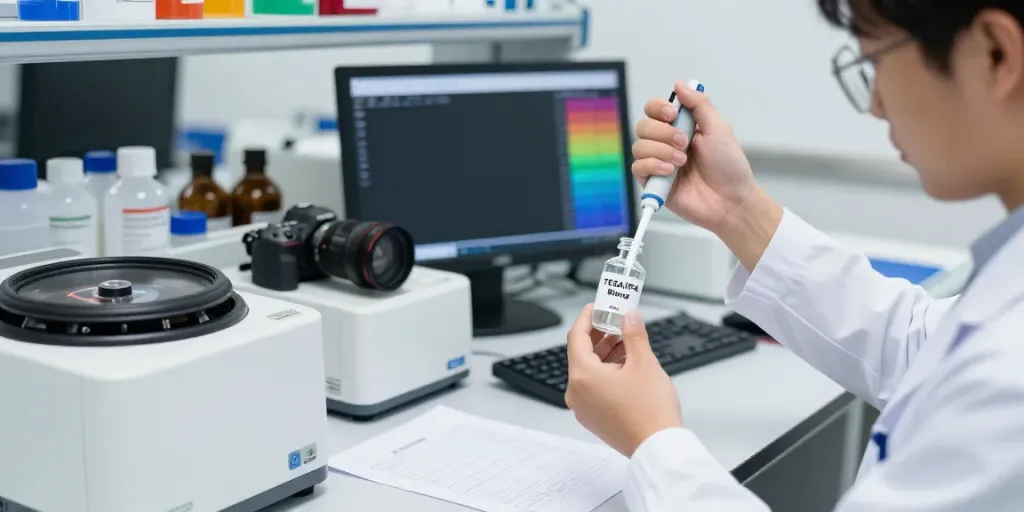
Understanding the TESA + IPA Blend
In the rapidly evolving field of peptide research, the tesa + ipa blend has emerged as a significant player. This innovative combination is particularly noteworthy for researchers interested in exploring growth hormone dynamics and their potential applications in health and wellness. This article delves into the intricacies of the TESA + IPA blend, its components, and its role in advancing research.
What is TESA + IPA?
The TESA + IPA blend is a sophisticated formulation that combines two powerful peptides: Tesamorelin and Ipamorelin. Tesamorelin is a growth hormone-releasing hormone (GHRH) analog, while Ipamorelin is a selective ghrelin receptor agonist. Together, they synergistically promote the secretion of growth hormone, potentially influencing various physiological responses, including metabolism and body composition. Understanding this blend requires a thorough examination of each component’s mechanisms and benefits.
Components of the Blend Explained
- Tesamorelin: This peptide is known for its ability to stimulate the pituitary gland, leading to increased production and release of growth hormone. It is often utilized in research focusing on fat metabolism and muscle growth.
- Ipamorelin: As a ghrelin receptor agonist, Ipamorelin not only enhances growth hormone release but also has the potential to modulate appetite and enhance muscle recovery. Its specificity for growth hormone release makes it a valuable tool in research settings.
The combination of these two peptides creates a potent research compound that can yield valuable insights into growth hormone dynamics and their implications for health and performance. This blend allows researchers to evaluate the distinct pathways through which these peptides operate while exploring their combined effects.
Applications in Research
The TESA + IPA blend is primarily utilized in laboratory settings to investigate the impact of growth hormone on various biological processes. Areas of study include:
- Body composition and fat loss
- Muscle hypertrophy and recovery
- Anti-aging therapies and metabolic regulation
- Effects on cognitive function and mood
Researchers utilizing this blend can design experiments that assess how these peptides interact within the human body and their potential therapeutic applications.
Research Verification and Quality Assurance
Ensuring the quality and reliability of research compounds is essential, particularly in peptides like TESA + IPA. The importance of third-party testing cannot be overstated, as it helps validate the claims made about the efficacy and safety of these compounds.
The Importance of Third-Party Testing
Third-party testing serves as an independent verification of the quality and purity of research peptides. By assessing compounds against rigorous standards, researchers can trust that their findings are based on high-quality materials. This reliability is crucial when interpreting results and publishing findings.
Understanding Certificates of Analysis
Each lot of TESA + IPA is accompanied by a Certificate of Analysis (CoA), which details the results of the testing performed. This document provides transparency and peace of mind, ensuring that researchers are aware of the exact composition and purity of the product they are working with. Familiarity with the CoA is essential for any researcher looking to validate their work.
Choosing Quality Suppliers
Selecting a reputable supplier is critical when sourcing research peptides. Suppliers that adhere to Good Manufacturing Practices (GMP) and provide consistent third-party testing can significantly enhance the reliability of your research outcomes. Mile High Compounds is one such supplier, offering products that meet stringent testing standards.
Dosage and Administration Considerations
Understanding the appropriate dosage and administration techniques for the TESA + IPA blend is vital for researchers aiming to achieve reproducible results.
Recommended Dosage Guidelines
While specific dosage recommendations may vary based on the objectives of the research, general guidelines suggest starting with lower doses and gradually increasing as needed. For instance, many researchers initiate studies using a total of 10-15 mg of the blend per session, adjusted based on initial findings and desired outcomes.
Administration Techniques
Administration methods for the TESA + IPA blend typically involve subcutaneous injection, which allows for optimal absorption and efficacy. Researchers should ensure proper sterilization and technique to minimize risks of contamination.
Safety Precautions
Considering safety is paramount, it’s crucial to adhere to institutional guidelines and ethical standards during experimentation. Proper training in handling peptides and following safety protocols can prevent adverse effects and ensure the integrity of the study.
Benefits and Applications of TESA + IPA
The combination of Tesamorelin and Ipamorelin in the TESA + IPA blend presents numerous potential benefits for scientific research aimed at understanding growth hormone functionality and its systemic effects.
Impact on Growth Hormone Research
The main advantage of using the TESA + IPA blend is its dual action in stimulating growth hormone release through different pathways, thereby providing a more comprehensive understanding of hormonal regulation. This can lead to breakthrough insights into anabolic processes and metabolic functions.
Potential Benefits in Scientific Studies
Studies using the TESA + IPA blend have shown promising results in areas such as:
- Increased muscle mass and strength in various demographics
- Reduction in visceral fat and improvement in metabolic health markers
- Enhanced recovery times following strenuous physical activity
These benefits reinforce the TESA + IPA blend’s position as a critical compound in growth hormone research.
Case Studies of Successful Applications
Numerous studies have employed the TESA + IPA blend to explore its effects on body composition and recovery. For example, clinical trials demonstrating fat loss in populations using the blend have been fundamental in shaping our understanding of hormonal therapies in metabolic health.
Future Trends in TESA + IPA Research
The landscape of peptide research continues to evolve, with advancements in technology and methodology paving the way for more sophisticated studies involving the TESA + IPA blend.
Emerging Research Technologies
Innovations in biotechnology, such as CRISPR and advanced proteomics, are expected to enhance our capability to study peptides like TESA + IPA, offering more nuanced insights into their interactions and long-term effects on physiological processes.
Predictions for 2026 and Beyond
As research progresses, it is anticipated that the TESA + IPA blend will play a pivotal role in the development of targeted therapies for age-related disorders and metabolic syndromes. The convergence of personalized medicine and peptide therapy could redefine treatment paradigms in the coming years.
Best Practices for Future Studies
To ensure the success of future research involving the TESA + IPA blend, adherence to stringent research protocols, maintaining comprehensive records, and utilizing transparent reporting methods will be essential. These practices will facilitate reproducibility and trust within the scientific community.