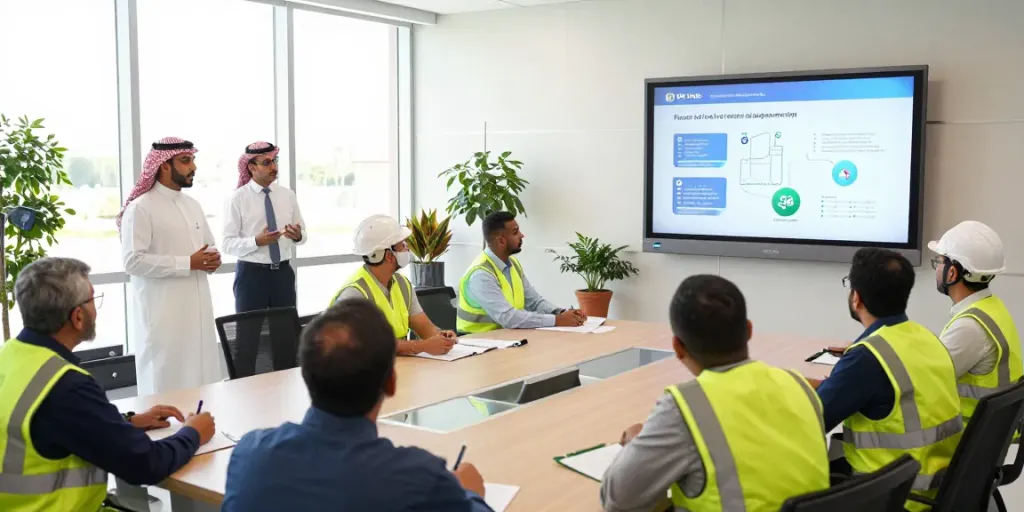
Understanding the Importance of HSE Training in Saudi Arabia
Health, Safety, and Environmental (HSE) training plays a critical role in ensuring workplace safety and compliance with local and international regulations. As industries in Saudi Arabia grow and evolve, equipped professionals are essential to navigate the complexities of risk management, occupational health, and environmental protection. In this context, selecting the right Training Institute Saudi Arabia is vital for organizations striving to meet and exceed industry standards.
What is HSE Training?
HSE training encompasses a range of educational programs designed to increase awareness and skills related to health, safety, and environmental practices in the workplace. This training is geared towards both employees and management, aiming to instill a culture of safety throughout an organization. The training typically covers a variety of topics, including risk assessment, emergency response, chemical safety, and regulatory compliance, tailored to the specific needs of the industry.
Key Regulations and Standards in Saudi Arabia
In Saudi Arabia, HSE practices are governed by a variety of local regulations and international standards. Notable frameworks include the Saudi Arabian Ministry of Labor and Social Development's OSHA regulations and the ISO standards such as ISO 45001:2018, which pertain to Occupational Health and Safety Management. Understanding these regulations is crucial for companies to ensure compliance and avoid penalties.
Benefits of HSE Training for Companies and Employees
Investing in HSE training provides numerous benefits to both organizations and their employees. For companies, effective training programs reduce workplace accidents and incidents, leading to lower insurance costs and improved productivity. In addition, they enhance the company’s reputation as a safe workplace, attracting top talent. For employees, HSE training fosters a safer work environment, promotes health and well-being, and equips them with the skills needed to respond effectively to emergencies.
Top HSE Training Programs Available at Burraq Consulting
Burraq Consulting offers a comprehensive range of HSE training programs that cater to various sectors including oil and gas, construction, and manufacturing. With the expertise of accredited trainers, these courses are designed to meet both local and international standards.
Overview of NFPA Certifications
The National Fire Protection Association (NFPA) certifications are recognized globally and essential for professionals in the fire safety sector. Courses offered under this certification include Fire Inspector, Fire Officer, and Fire and Life Safety Educator, ensuring that participants are well-equipped to handle emergencies and comply with fire safety regulations.
ProQual Diplomas: Levels 6 and 7 Explained
ProQual offers specialized diplomas in Occupational Health and Safety and Strategic Health and Safety Leadership. The Level 6 diploma focuses on practical and theoretical aspects of occupational health and safety practices, while the Level 7 diploma emphasizes leadership and strategic management in safety practices. These qualifications are designed for professionals aspiring to advance their careers in HSE management.
Specialized Courses: From First Aid to Environmental Management
Burraq Consulting’s specialized training courses cover critical areas such as First Aid, Environmental Management, and Risk Assessment. These courses are tailored to meet the specific needs of various industries, ensuring participants gain relevant skills that can be applied directly to their work environment.
Choosing the Right Training Institute in Saudi Arabia
When selecting a training institute for HSE training, organizations must consider several factors that ensure the efficacy and relevance of the training programs offered.
Factors to Consider When Selecting a Training Institute
- Accreditation: Ensure the institute is accredited by recognized bodies such as ProQual, HABC, or the NFPA.
- Trainer Qualifications: The expertise and experience of the trainers play a significant role in the quality of training.
- Course Content: Review the curriculum to ensure it aligns with industry standards and covers necessary topics.
- Delivery Methods: Assess whether the institute offers flexible training formats, including on-site and online options.
Accreditation and Recognition: Importance in the Industry
Choosing an accredited training provider ensures that the training meets national and international standards. This recognition not only improves employee confidence in their skills but also supports businesses in achieving compliance with legal and regulatory requirements.
Customizable Training Solutions for Organizations
Many reputable training institutes, like Burraq Consulting, offer customizable training solutions that can be tailored to the specific needs of an organization. This flexibility allows companies to engage their workforce effectively, ensuring that training is relevant and applicable to their operational context.
Innovative Training Methods and Delivery Formats
The training landscape for HSE is continuously evolving, with new technologies and methodologies enhancing the learning experience.
Online Learning vs. On-Site Training: Pros and Cons
While online learning offers flexibility and accessibility, allowing participants to learn at their own pace, on-site training fosters a more interactive and engaging atmosphere, enabling hands-on practice. Organizations must weigh these options against their training goals and employee needs.
Web Conferencing for Remote Training Delivery
Web conferencing tools have revolutionized the delivery of training, enabling institutions to reach a wider audience while maintaining the quality of the training experience. This format is particularly beneficial for organizations with remote or multiple sites.
Hands-On Training Techniques for Better Learning Outcomes
Hands-on training techniques significantly enhance learning outcomes, as they allow participants to practice real-world scenarios in a controlled environment. Simulation exercises, role-playing, and practical assessments are effective methodologies for reinforcing learning and improving retention.
Future Trends in HSE Training and Development for 2026
As we look towards the future, several trends are set to shape the HSE training landscape in Saudi Arabia.
Emerging Technologies in Training Methods
The integration of artificial intelligence (AI) and virtual reality (VR) technologies into training programs promises to enhance engagement and effectiveness. These technologies allow for immersive experiences that can simulate hazardous situations without risk, providing invaluable hands-on practice.
The Growing Importance of Sustainability in HSE
With increasing emphasis on sustainability, HSE training programs will likely expand to include environmental management practices that meet regulatory demands and public expectations. Training in sustainable operations will become a critical component for organizations aiming for long-term viability and compliance.
Predictions for the HSE Training Landscape in Saudi Arabia
By 2026, it's anticipated that the demand for specialized HSE training will increase significantly, driven by ongoing industrial growth and stricter regulatory frameworks. Organizations will increasingly seek training providers that offer innovative solutions and proven track records in delivering effective educational programs.
What are the most sought-after HSE training programs in Saudi Arabia?
Popular programs include the NEBOSH certificate, NFPA certifications, and ProQual diplomas. These courses are highly regarded for their comprehensive curriculum and recognition in the industry, providing a solid foundation for careers in health and safety management.
How can companies ensure their employees get the best HSE training?
Companies can ensure quality training by partnering with accredited training providers and regularly assessing and updating training programs to reflect current industry standards and practices.
What qualifications do trainers at HSE institutes hold?
Trainers at reputable HSE institutes typically hold advanced degrees in relevant fields, as well as certifications from recognized bodies such as the NEBOSH, IOSH, or NFPA. Their experience in the industry often enhances the training they provide.
How do NFPA and ProQual training certifications compare?
Both NFPA and ProQual certifications are esteemed in the HSE field, with NFPA focusing more on fire safety and risk management, while ProQual offers broader health and safety management qualifications. The best choice depends on an individual's career goals.
What trends are shaping the future of HSE training in 2026?
Trends such as digital transformation, the growing emphasis on sustainability, and the shift toward more interactive training methods are poised to reshape the HSE training landscape by 2026.