Understanding Facial Analysis Apps: An Overview
In an era where technology intertwines seamlessly with daily life, facial analysis apps have emerged as innovative tools transforming the skincare and beauty industries. These applications leverage artificial intelligence (AI) to assess facial features, skin quality, and overall aesthetics, providing users with tailored advice for improvement. As people increasingly seek personalized skin care routines, understanding these tools’ functionality and benefits becomes essential. This article explores various alternative to QOVES and offers insights into making informed decisions.
What are Facial Analysis Apps?
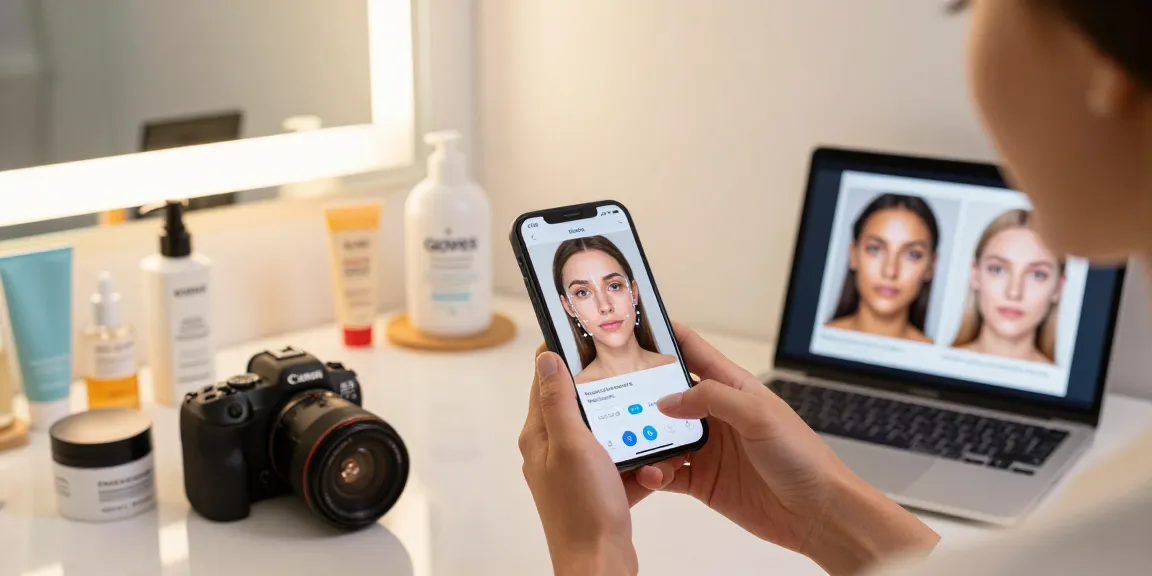
Facial analysis apps are mobile or web-based applications designed to analyze users' facial features and skin condition using advanced AI algorithms. They typically assess aspects like skin texture, pore size, pigmentation, and overall symmetry. By interpreting this data, these apps can provide insights into potential skincare issues and recommend products or routines tailored to the user’s unique needs.
How Do They Work?
The functioning of facial analysis apps revolves around several key technologies, primarily AI and machine learning. When a user submits a photograph, the app utilizes image processing techniques to detect and evaluate various facial attributes. These evaluations are often based on extensive datasets composed of academic studies and clinical findings, which help the app generate comprehensive assessments. Many apps also integrate augmented reality (AR) features, allowing users to visualize potential changes or improvements in real-time.
Benefits of Using AI in Skincare
- Personalization: AI enables a tailored approach to skincare, considering individual skin types and concerns.
- Accessibility: With just a smartphone, users can access advanced dermatological assessments that previously required professional consultation.
- Continuous Improvement: Many apps provide ongoing assessments and tracking, helping users monitor their skincare progress over time.
Alternatives to QOVES: A Comparative Look
While QOVES is a prominent player in the facial analysis market, many alternatives cater to varying user needs and preferences. When considering the best fit, it’s essential to evaluate what each alternative offers compared to QOVES.
Top Features to Consider
When selecting an alternative to QOVES, several key features should be considered, including:
- Comprehensiveness: Does the app analyze multiple skin issues or focus on specific problems?
- User Interface: Is the app user-friendly and intuitive?
- Customization: Can users tailor recommendations based on their skin type and specific concerns?
- Feedback Mechanisms: Does the app offer ongoing updates and insights as users progress?
Cost-Effectiveness of Alternatives
Cost is a crucial factor when evaluating alternatives to QOVES. Many apps provide free basic assessments, while others may charge for more advanced features. Analyzing the cost-benefit ratio of various alternatives can help users select the most economically viable option while still receiving valuable insights.
User Experience: What to Expect
User experience varies significantly between apps. While some may offer detailed insights and recommendations, others may focus more on visual enhancements, like makeup previews. It's essential to consider what type of experience users are looking for—whether it’s comprehensive analysis or engaging visuals.
Evaluating Options: What Sets QOVES Apart?
QOVES has established itself as a leading facial analysis tool, but what truly sets it apart from its competitors? Understanding its unique offerings is vital for users contemplating their choices.
Unique Selling Points of QOVES
QOVES emphasizes a science-backed methodology, featuring assessments grounded in over 2000 academic studies. This basis in research lends credibility to its recommendations, making it a reliable choice for users seeking reliable data.
Comparative Analysis with Other Tools
When comparing QOVES with other facial analysis tools, several aspects merit attention:
- Data Depth: QOVES offers extensive analysis compared to alternatives that may provide limited insights.
- Research Integration: The strong academic underpinning of QOVES differentiates it from app competitors that may not rely on similar data.
- Community Engagement: QOVES facilitates community discussions, allowing users to share experiences and tips.
Is QOVES Worth the Investment?
The investment in QOVES can be justified through the quality of insights and comprehensive data provided. For users invested in achieving optimal skin health and aesthetics, the potential benefits can outweigh the costs associated with use.
Future Trends in Facial Analysis Technology
As technology continues to evolve, the facial analysis market is likely to see significant advancements. Understanding these trends can help users stay informed about what to expect from future applications.
Emerging Features to Look For in 2026
Future facial analysis apps are expected to reflect enhanced personalization, incorporating AI that learns from user behavior and preferences over time. Additionally, integrating biometric data could become a common practice, enabling deeper insights into skin conditions.
The Role of User Feedback in Development
User feedback will play a critical role in shaping the development of facial analysis tools. As users provide input on functionality and desired features, applications can evolve to meet these expectations, ultimately enhancing user satisfaction.
Potential for Expanded Uses Beyond Skincare
The growing capabilities of facial analysis technology may lead to applications beyond skincare, potentially entering fields like mental health monitoring and virtual reality, where visual accuracy is paramount.
Maximizing Your Experience with Facial Analysis Tools
To get the most out of facial analysis apps, users must adopt best practices and stay informed about their functionality.
Best Practices for Using These Apps
- Follow Instructions: Properly following in-app guidelines for sending photographs can yield more accurate analyses.
- Be Realistic: Understand that results are based on algorithms and may not represent the complete picture.
- Combine Insights: Use the app insights in conjunction with advice from skincare professionals for a holistic approach.
Common Misconceptions and Myths
Many myths surround facial analysis apps, including the belief that they can replace professional dermatological care. While these apps provide valuable insights, they should not be seen as a complete substitute for expert advice.
How to Integrate Insights into Your Beauty Routine
Integrating the insights from facial analysis apps into a beauty routine requires consistency and patience. By developing a routine based on app recommendations and monitoring skin health over time, users can effectively enhance their beauty regimen.
What are the best alternatives to QOVES?
Several notable alternatives to QOVES stand out in the market, catering to different needs and preferences. Apps such as FaceCheck ID and YouCam Makeup provide unique features that may appeal to specific demographics.
How do facial analysis apps improve skincare?
Facial analysis apps improve skincare by providing data-driven insights that help users understand their skin's unique needs, enabling more personalized and effective skincare routines.
What features should I look for in a facial analysis tool?
When choosing a facial analysis tool, consider features like depth of analysis, customization options, user experience, and the research underpinning the app's recommendations.
Are facial analysis tools worth the cost?
The value of facial analysis tools often lies in how well they cater to individual needs. For users dedicated to improving their skincare, the cost can be justified by the insights and progress tracked over time.
How will facial analysis technology evolve in the next few years?
Facial analysis technologies are likely to leverage more advanced AI, leading to greater personalization and accuracy in skin assessments, with the potential for expanded applications in other sectors beyond skincare.