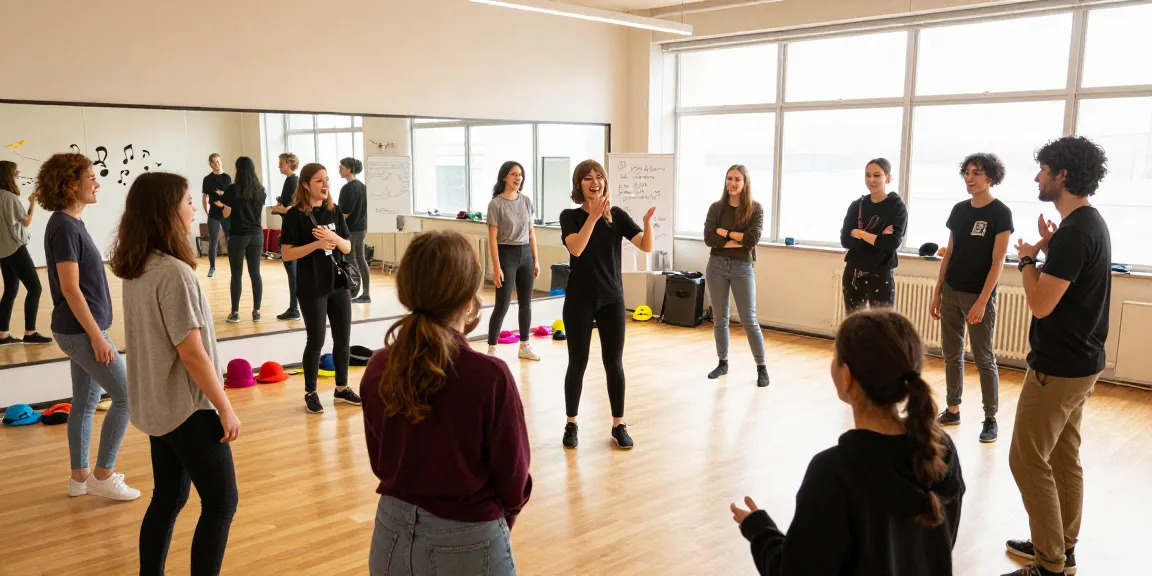
Understanding Improv Fundamentals
Improv, or improvisational theater, is a dynamic form of performance that relies on spontaneity and creativity. It encourages performers to engage in real-time storytelling without a script, fostering a unique environment that promotes personal expression and creativity. This art form is not just exclusive to comedians or actors; it can offer valuable skills to anyone looking to enhance their communication abilities, boost confidence, or simply have fun. For those starting their journey, exploring improv for beginners can be an exhilarating experience.
What is Improv and Why It Matters?
At its core, improv is about making choices and responding to circumstances without prior preparation. This spontaneity cultivates a sense of trust and collaboration among performers, as they rely on one another to create a cohesive narrative. The importance of improv extends beyond the stage; it enhances our everyday interactions, encouraging us to think on our feet and adapt to new situations. Whether in social scenarios or professional settings, the skills developed through improv can lead to improved communication, increased creativity, and stronger relationships.
Core Principles of Improv for Beginners
- Yes, and... - This fundamental rule encourages performers to accept what their partner offers in the scene and build upon it. It's a way to promote collaboration and positivity.
- Trust and support: Improv relies heavily on trust between performers, allowing them to take risks and explore new ideas.
- Focus on the moment: Staying present and responding to the unfolding scene is crucial. This principle helps to cultivate authenticity in performance.
- Failure is an option: Mistakes are an inherent part of the improv process. Embracing failure as a learning opportunity fosters resilience and growth.
Common Misconceptions About Improv
There are several myths surrounding improv that can deter beginners from exploring this exciting field. One common misconception is that you need to be funny to do improv. In reality, humor often arises naturally from genuine interactions and creativity, rather than from a pre-planned script. Another misconception is that all improv is theater-based; however, improv can be applied in various contexts, including business meetings, education, and team-building exercises.
Essential Techniques for Beginners
As you dive deeper into improv, implementing specific techniques can significantly enhance your performance and experience. These methods will not only help you become a more competent improviser but also enrich your understanding of the underlying principles of the craft.
Basic Improv Exercises to Try at Home
Practicing improv doesn't always require a stage or a troupe. Here are some simple exercises that beginners can try at home:
- Mirror Exercise: Pair up with a friend or family member. One person leads with movements while the other mirrors them. This exercise fosters attentiveness and physical awareness.
- One-Word Story: Gather a group and take turns adding one word to create a continuous story. This encourages quick thinking and collaboration.
- Object Work: Pick an everyday object and improvise a scene around it. Use your imagination to transform the object into something entirely different.
Building Trust and Connection in Improv
Trust is the foundation of successful improv. To build trust among participants, consider incorporating icebreaker activities that encourage vulnerability and openness. Engaging in exercises that require participants to share personal experiences can create a supportive environment where everyone feels comfortable taking risks. Remember, the goal of improv is to uplift and inspire one another, creating a space where collaboration thrives.
Listening and Responding: Key Skills for Success
Effective listening is perhaps the most critical skill in improv. It allows performers to be fully aware of their partner's contributions, which helps in crafting seamless scenes. Practice active listening by focusing not just on words but also on body language and emotional cues. Responding authentically to what others say or do can lead to unexpected and delightful turns in the narrative, enhancing the overall experience for both performers and the audience.
Creating Characters and Scenarios
One of the most rewarding aspects of improv is the ability to create vibrant characters and imaginative scenarios spontaneously. This section delves into the techniques that can help you develop engaging personas and plots.
How to Develop Compelling Characters in Improv
Creating memorable characters starts with understanding their motivations, quirks, and relationships with others. Here are some tips for developing compelling characters:
- Character Profiles: Spend some time crafting backgrounds for your characters, including their interests, fears, and goals. This provides a deeper foundation for their actions.
- Physicality: Experiment with distinct physical traits or body language that can instantly define your character, making them more relatable and interesting to the audience.
- Voice Variation: Use different tones, pitches, and accents to create diverse personalities. These variations can help you embody your character more fully.
Generating Ideas for Scenes: Brainstorming Sessions
Brainstorming is a fantastic way to generate innovative ideas for improv scenes. Here are some effective techniques:
- Random Prompts: Use a random word generator or prompt cards to inspire fresh scene ideas.
- Group Mind Mapping: Gather a group and create a mind map of potential scenes, characters, and settings to explore.
- Theme Exploration: Choose a theme and brainstorm all potential scenarios related to it, allowing for a wide range of creative possibilities.
Using Environment as Inspiration in Improv
The environment plays a significant role in improv. Take note of your surroundings, as they can spark inspiration for scenes and characters. Consider using objects around you as props, or incorporate environmental factors—like weather, time of day, or location—into your scenes for added depth and realism.
Overcoming Challenges in Improv
Like any art form, improv comes with its challenges. Understanding how to face and overcome these obstacles can help you grow as a performer and gain confidence on stage.
Dealing with Stage Fright as a Beginner
Stage fright is a common hurdle for many aspiring improvisers. To manage anxiety, practice deep breathing exercises and visualization techniques to calm your nerves before performing. Additionally, remind yourself that mistakes are a natural part of the process and can lead to unexpected comedic moments.
Managing Group Dynamics During Performances
Ingroup settings, it's essential to nurture a positive dynamic. Encourage open communication and establish ground rules that promote respect and collaboration. Regularly check in with one another to ensure everyone feels included and heard throughout the performance.
Common Mistakes and How to Avoid Them
Beginners often fall into certain traps while performing improv. Here are some common mistakes and tips to avoid them:
- Blocking Offers: Avoid shutting down your partner's ideas. Instead, practice the "yes, and..." principle to build on their suggestions.
- Lack of Focus: Stay present and engaged in the scene. Distracted performers can disrupt the flow and take away from the collective experience.
- Overthinking: Improv thrives on spontaneity. Resist the urge to plan your responses and allow the scene to unfold naturally.
Advancing Your Improv Skills
Once you feel comfortable with the basics of improv, you might want to take your skills to the next level. Here’s how to continue growing in this vibrant art form.
Finding Improv Classes and Workshops Near You
Many cities offer improv classes tailored for beginners. Research local theater groups, community colleges, or dedicated improv schools that host workshops. Participating in structured classes can provide invaluable feedback and accelerate your learning process.
Joining Community Groups for Improv Practice
Joining local improv groups can enhance your skills and build connections with like-minded individuals. Many communities have meetups or regular jam sessions where improvisers can practice together in a supportive environment.
Evaluating Your Progress and Setting Goals
To continue improving, take time to reflect on your performances. Set specific, achievable goals for your development and periodically reassess your progress. Keeping a journal of your experiences can help identify strengths and areas for growth.
What are the benefits of improv for beginners?
Engaging in improv offers numerous benefits, particularly for beginners. It enhances creativity, boosts confidence, and improves communication skills. Additionally, it fosters a sense of community, allowing individuals to connect and collaborate with others. Many beginners find that the spontaneous nature of improv encourages them to think outside the box, leading to personal growth.
Can improv help with public speaking skills?
Absolutely! Improv can significantly enhance public speaking skills by teaching individuals how to think quickly, develop engaging narratives, and connect with audiences. The skills learned through improv—such as active listening and adaptability—are directly transferrable to any speaking environment.
What equipment do I need for improv practice?
Improv requires minimal equipment. Comfortable clothing that allows for movement is essential, as well as space to move freely. If performing on stage, consider props or costumes that can help elevate your scenes, but these are not necessary for rehearsal activities.
How can I find local improv events or workshops?
Local improv events can often be found through community centers, theaters, or social media platforms. Websites like Meetup also provide listings for improv groups, classes, and workshops in your area. Connecting with local performers can lead to more opportunities to practice and learn.
What resources are available for continuing improv education?
There are numerous resources available for those looking to advance their improv education. For more information, Communication skills through improv offers valuable insights. Books, online courses, and workshops by experienced improvisers can provide valuable insights. Many theaters also produce instructional videos and podcasts that explore different aspects of improv, offering various viewpoints and techniques.