Understanding PCB Assembly and Component Sourcing
In the fast-evolving electronic manufacturing landscape, PCB assembly and component sourcing are crucial elements that determine the efficiency, reliability, and effectiveness of electronic devices. The increasing complexity of electronic circuits, coupled with the demand for rapid production cycles, necessitates a robust understanding of these processes. This article delves into the intricacies of PCB assembly, the vital role of component sourcing, and the challenges faced by manufacturers today. Furthermore, we'll discuss best practices and future trends that will shape the industry, ensuring readers are equipped with actionable insights and current information for 2026.
When exploring options, PCB assembly and component sourcing offer a strategic advantage to manufacturers aiming for operational excellence and cost-effectiveness.
What is PCB Assembly?
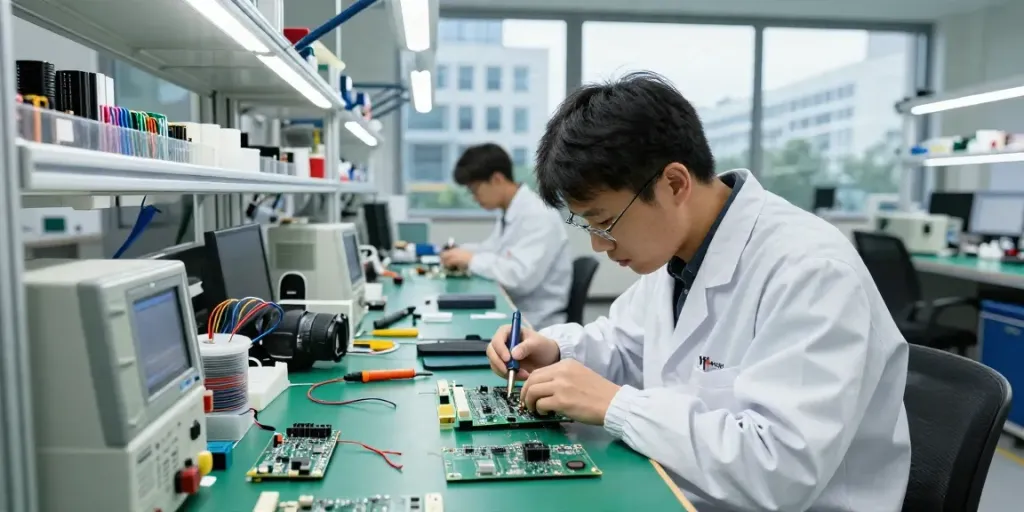
PCB assembly (PCBA) refers to the process of soldering electronic components onto a printed circuit board (PCB) to create a functioning electronic product. This process transforms a bare board—typically manufactured from materials like FR-4 or polyimide—into a completed assembly equipped with various electronic parts such as resistors, capacitors, and integrated circuits (ICs). The assembly process encompasses multiple steps, including surface mount technology (SMT) for placing components on the board, through-hole technology for inserting leads into the board, and finally, testing to ensure functionality and reliability.
Key Components in PCB Manufacturing
- Resistors: Control the current flow within the circuit.
- Capacitors: Store and release energy as required.
- ICs: Serve as the brain of the operation, performing complex calculations and logic operations.
- Connectors: Facilitate connections between different boards or components.
- Inductors: Manage power and filter signals.
These components must not only meet the design specifications but also comply with industry standards to ensure safety and performance.
The Importance of Component Sourcing
Component sourcing is the process of identifying, selecting, and procuring the various electronic components necessary for PCB assembly. This function is critical as it directly influences the quality, cost, and availability of the end product. Efficient sourcing ensures that manufacturers have timely access to high-quality components while keeping costs in check. Moreover, with rapid technological advancements, sourcing teams must stay updated on component innovations, which may provide alternatives or enhancements to existing designs.
Challenges in PCB Assembly and Sourcing
Identifying Quality Components
One of the primary challenges in component sourcing is ensuring the quality of the components. Subpar components can lead to defective products, safety issues, and ultimately, financial loss. Manufacturers must implement stringent quality control processes to verify the authenticity and reliability of their sources, ensuring compliance with standards such as ISO 9001 and IPC-A-610.
Supply Chain Disruptions and Their Impact
Recent years have seen unprecedented supply chain disruptions due to global events, such as pandemics and geopolitical tensions. These disruptions have caused delays and increased costs in sourcing essential components. Manufacturers have had to adapt by diversifying their supplier base, utilizing advanced forecasting techniques, and maintaining safety stocks to mitigate risks.
Common Misconceptions about Component Sourcing
Many believe that sourcing is merely about finding the cheapest option. However, effective sourcing involves a multidimensional approach that includes assessing quality, reliability, and supplier relationships. Cutting corners on cost can lead to severe long-term consequences, including increased warranty claims and reputational damage.
Best Practices for Effective PCB Assembly
Streamlined Assembly Processes
To achieve efficiency in PCB assembly, manufacturers should adopt lean manufacturing principles. This includes optimizing workflows, reducing waste, and automating repetitive tasks where feasible. Implementing a robust enterprise resource planning (ERP) system can streamline processes from design to delivery, enhancing overall productivity.
Quality Control Measures
High-quality standards must be maintained throughout the assembly process. Regular inspections at various stages of production, coupled with automated testing protocols, can significantly reduce the risk of defects. Utilizing tools such as X-ray inspection and automated optical inspection (AOI) ensures that any anomalies are detected early in the production cycle.
Continuous Improvement Strategies
Manufacturers should institute a culture of continuous improvement by regularly evaluating their processes and seeking feedback from staff involved in the assembly. Techniques such as Six Sigma and Kaizen can help identify bottlenecks and enhance efficiency.
Real-World Applications of PCB Assembly
Case Studies from Leading Electronics Firms
Several industry leaders have successfully integrated advanced PCB assembly methodologies and sourcing strategies. For example, a major player in the telecommunications sector implemented a streamlined assembly line that reduced production time by 30% while maintaining high-quality standards. These improvements were attributed to better component sourcing partnerships and an investment in automated assembly tools.
Innovative Sourcing Strategies in Practice
Top electronics firms are exploring innovative sourcing strategies, including forging long-term partnerships with key suppliers and adopting a just-in-time (JIT) inventory approach. This allows them to reduce overhead costs and enhance responsiveness to market demands.
Future Trends in PCB Assembly Technologies
Looking ahead, the PCB assembly landscape is set to evolve with the integration of artificial intelligence and machine learning. These technologies promise to enhance quality control processes, predict supply chain disruptions, and optimize inventory management in real time, effectively revolutionizing the industry.
Future Outlook for PCB Assembly and Sourcing
Emerging Technologies in 2026
As we approach 2026, technologies such as flexible PCBs, 3D printing of electronic components, and the Internet of Things (IoT) are expected to redefine PCB assembly. These innovations will likely lead to more compact, efficient designs with enhanced functionalities.
Sustainability Practices in PCB Manufacturing
With growing awareness of environmental issues, sustainable practices in PCB manufacturing are gaining traction. Manufacturers are focusing on recyclable materials, environmentally-friendly production processes, and reducing electronic waste through efficient product design and lifecycle management.
Predictions for Component Sourcing Trends
Future trends in component sourcing will likely emphasize transparency and traceability, driven by consumer demand for ethical sourcing. Blockchain technology may play a pivotal role in ensuring component authenticity and quality, providing consumers with confidence in their products.
What is the PCB assembly process?
The PCB assembly process encompasses several stages, including design, component sourcing, assembly, inspection, and testing. Each phase is critical to ensure a high-quality end product that meets specifications.
Can ChatGPT do PCB design?
While ChatGPT cannot physically design PCBs, it can assist in generating ideas, answering design-related questions, and providing valuable information on PCB design principles and best practices.
Who is the world's biggest PCB manufacturer?
Companies such as Taiwan Semiconductor Manufacturing Company (TSMC) and Samsung are among the largest PCB manufacturers globally, driving innovation and quality in the electronic manufacturing space.
What are the four main types of PCBs?
The four main types of PCBs include single-sided, double-sided, multi-layer, and flexible PCBs, each serving different applications and requirements within the electronics industry.