Understanding Deck Construction Fundamentals
Deck building is both an art and a science, requiring a deep understanding of various materials, design principles, and local regulations. For aspiring Deck Builders Eastwood, knowing the fundamentals of deck construction can make the difference between a successful project and a costly mistake. In this section, we'll explore essential materials, tools, and techniques that every deck builder should be familiar with.
Essential Materials for Deck Builders Eastwood
Choosing the right materials is crucial for the durability and aesthetic appeal of a deck. Here are some of the most popular materials used in deck construction:
- Wood: Traditional wood decking, such as pressure-treated lumber, is favored for its natural look and feel. However, it requires regular maintenance to prevent decay and insect damage.
- Composite Decking: Made from a mixture of wood fibers and plastic, composite decking is resistant to fading, staining, and insects, making it an excellent low-maintenance option.
- PVC Decking: This material is entirely synthetic and offers the highest level of resistance to moisture and mold. It’s also available in a variety of colors and styles.
- Aluminum Decking: Known for its lightweight and durability, aluminum is resistant to rust and corrosion, making it ideal for coastal areas.
Tools Every Deck Builder Should Have
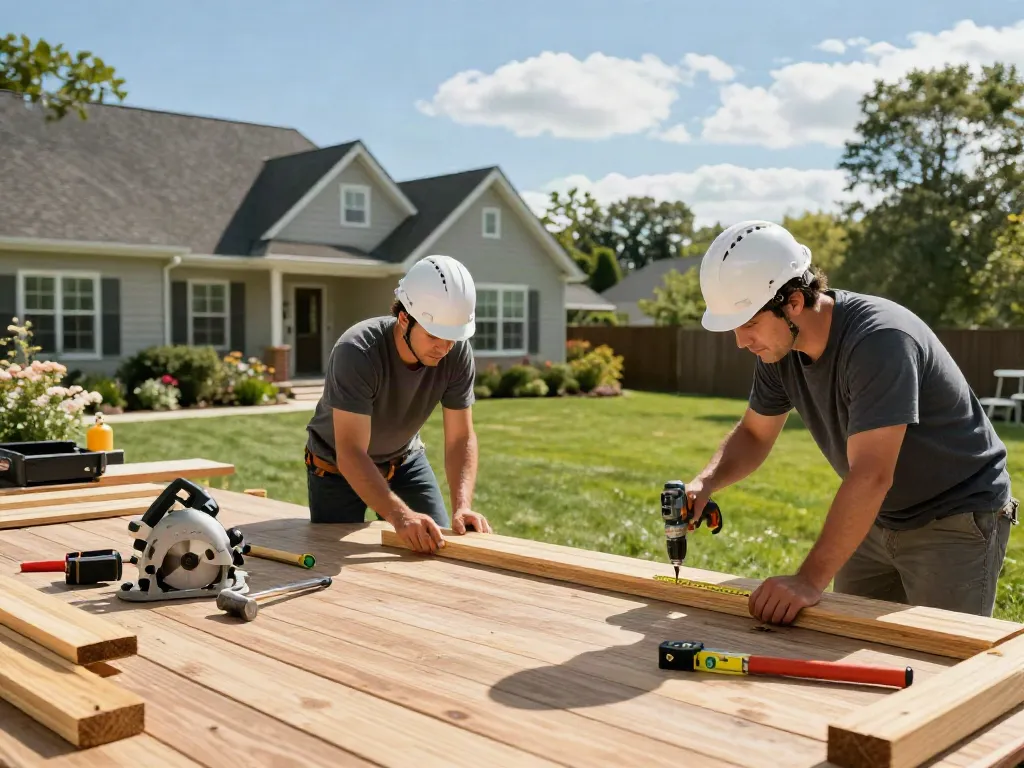
Having the right tools can significantly impact the quality and efficiency of a deck build. Essential tools include:
- Power Tools: Circular saws, drills, and nail guns are fundamental for quick and accurate cutting and fastening.
- Measuring Tools: A tape measure and a level ensure precise measurements and even surface.
- Safety Equipment: Hard hats, gloves, and safety goggles protect builders from injuries on the job.
Common Deck Building Techniques Explained
Every deck builder must be familiar with various construction techniques to ensure stability and longevity. Some techniques include:
- Post and Beam Construction: This involves using vertical posts to support beams and is ideal for larger decks.
- Deck Framing: Proper framing is essential for load distribution and includes joists and beams positioned according to local codes.
- Finishing Techniques: Applying stains, sealants, or paints can enhance the deck's appearance and extend its lifespan.
Designing Your Dream Deck
The design phase is where creativity meets functionality. Building a deck involves understanding how to maximize space and incorporate the latest trends in outdoor living.
Incorporating Trends in Deck Design for 2026
Staying ahead of design trends can elevate your projects. Popular trends for 2026 include:
- Multi-Level Decks: These provide visual interest and can accommodate various activities, from dining to lounging.
- Integrated Lighting: LED lights can enhance safety and ambiance, making a deck usable even after sunset.
- Outdoor Living Spaces: Incorporating features like outdoor kitchens and fire pits creates an inviting environment for entertaining.
Color and Material Choices That Stand Out
The right color palette and material choices can significantly impact the aesthetic appeal of a deck. Consider these options:
- Neutral Tones: These remain timeless and can complement any home style.
- Bold Colors: Using vibrant accents can create focal points or highlight specific areas.
- Sustainable Materials: Eco-friendly options are not only trendy but also appealing to environmentally conscious homeowners.
Maximizing Outdoor Spaces with Deck Designs
Efficient use of space is critical in deck design. Here are ways to maximize your outdoor area:
- Built-In Seating: This saves space while providing comfort and functionality.
- Vertical Gardens: Incorporating greenery can beautify the area without consuming valuable floor space.
- Modular Furniture: Lightweight, movable furniture allows for adaptability based on different occasions.
Building Codes and Regulations in Eastwood
Understanding local building codes is vital for compliance and ensuring the safety of the structure. These regulations help maintain uniformity and safety in construction.
Understanding Local Building Codes
Each municipality may have different codes affecting deck construction. Consult local regulations to understand:
- Size Restrictions: Many locales limit the size of the deck based on property lines.
- Material Specifications: Certain materials may be mandated for safety reasons or environmental considerations.
- Safety Standards: Codes often cover railing heights, load capacity, and stair dimensions to ensure safety.
Permits Required for Deck Projects
Before embarking on a deck-building project, obtaining the necessary permits is crucial. The permitting process typically involves:
- Submission of Plans: Some jurisdictions require detailed plans outlining the deck's specifications.
- Inspections: Various stages of construction may need inspections to ensure compliance with local codes.
Compliance Tips for Eastwood Builders
To ensure compliance with local building codes, consider the following tips:
- Consult Professionals: Hiring experienced deck builders familiar with local laws can prevent costly mistakes.
- Stay Updated: Regularly check for changes in regulations that may affect your projects.
- Keep Documentation: Maintain records of all permits and inspections for future reference.
Maintenance Best Practices for Longevity
Regular maintenance can greatly extend the life of your deck. Proper care helps prevent deterioration and ensures safety.
Seasonal Deck Maintenance Tips
Each season presents unique challenges. Here are some essential maintenance tips:
- Spring: Inspect the deck for winter damages and clean it thoroughly to remove debris.
- Summer: Check for loose screws or nails and ensure that railing and steps are secure.
- Fall: Clear leaves and debris to prevent moisture buildup that may lead to mold.
- Winter: Use a plastic shovel for snow removal to avoid damaging the surface.
Choosing the Right Finish for Your Deck
Investing in the right finish is essential for protection and aesthetics. Consider these options:
- Sealants: These protect wood from moisture damage and UV rays.
- Stains: Offering color and protection, stains can enhance the natural beauty of wood fibers.
- Paints: While durable, paints may chip over time and require more maintenance compared to stains.
Signs It’s Time for Deck Repairs
Regular inspections can help identify when repairs are necessary. Watch for these signs:
- Cracks or Splintering: Damaged boards may be a safety hazard and should be replaced.
- Loose Railings: Ensure that railings are secure to prevent falls.
- Mold or Mildew: Presence of mold indicates moisture issues that need to be addressed promptly.
Future Trends in Deck Building
The deck building industry continually evolves, with new trends emerging that reflect changing consumer preferences and technological advancements.
Innovations in Sustainable Decking Materials
As environmental awareness grows, so does the demand for sustainable materials. Look for these innovations in decking:
- Recycled Materials: Decking made from recycled plastics and woods can help reduce waste.
- Environmentally Friendly Treatments: Non-toxic stains and sealants are becoming increasingly popular.
Smart Technology Integration in Outdoor Spaces
Technology is making its way into outdoor design. Some smart features include:
- Automated Lighting: Smart systems allow for the scheduled or sensor-activated lighting for added convenience.
- Smart Grills: Internet-connected grills help monitor cooking temperatures and times directly from your smartphone.
Predictions for Deck Building Trends in 2026
Looking ahead, industry experts predict several trends for the coming years:
- Increased Demand for Outdoor Living Spaces: Homeowners are likely to prioritize outdoor areas as extensions of their indoor space.
- Focus on Multi-Functionality: Decks are expected to cater to diverse activities, including relaxation, dining, and gardening.
Frequently Asked Questions
Here are some common questions that potential deck builders and homeowners often ask:
What are the best materials for building a deck?
The best materials depend on your specific needs, budget, and aesthetic preferences. Popular options include pressure-treated wood, composite materials, and PVC.
How can I ensure my deck is compliant with local codes?
Consulting with local authorities and experienced builders can help ensure compliance with all regulations, including acquiring necessary permits.
What maintenance is required for composite decking?
Composite decking is low-maintenance, typically requiring only periodic cleaning with soap and water to maintain its appearance.
How long does a typical deck last?
With proper care, wooden decks can last 15 to 20 years, while composite and PVC decks can last significantly longer, often exceeding 25 years.
What trends are emerging in deck design for 2026?
Expect an increase in multifunctional outdoor spaces, smart technology integration, and a focus on sustainable materials in deck designs for 2026.